Massage for Migraines and Tension Headaches: What May Help
Massage may ease muscle tension linked with some headaches, but it is not a migraine cure. Compare techniques, timing, safety signs, and Florida LMTs.
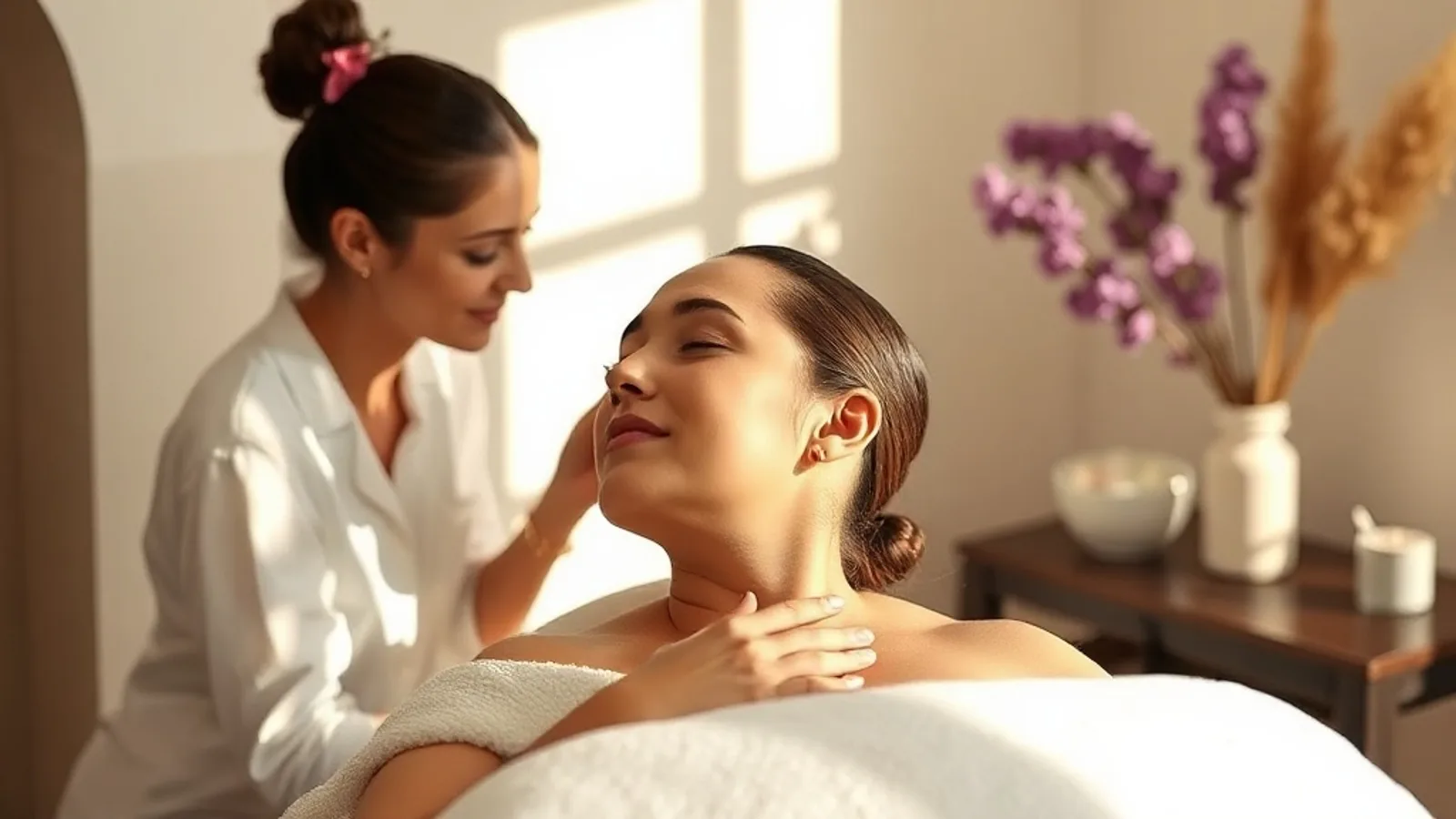
Massage may help reduce neck, shoulder, jaw, or scalp tension that accompanies some headaches, and some people find a quiet session relaxing between migraine attacks. Research on migraine frequency is limited and inconsistent. Massage does not diagnose or cure migraine, and a sudden or neurologically unusual headache needs medical assessment rather than bodywork.
Migraine, tension headache, and neck-related headache are different
The word “headache” covers conditions with different causes and treatment plans. Knowing which pattern you have changes what a massage session can reasonably accomplish.
Migraine is a neurological disease, not simply a tight muscle. An attack may include moderate-to-severe throbbing pain, nausea, sensitivity to light or sound, and sometimes aura. The American Migraine Foundation notes that migraine can occur with or without head pain and that new weakness, numbness, speech changes, or visual symptoms need medical evaluation.
Tension-type headache more often feels like pressure or a band around the head. Neck and shoulder tension may accompany it, although muscle tightness is not always the sole cause.
Cervicogenic headache is head pain referred from a problem in the neck or cervical spine. It may occur with limited neck movement and can resemble migraine. Because symptoms overlap, an LMT should not decide which disorder you have from the massage table.
Can massage help migraines?
The most accurate answer is “possibly for some symptoms, but evidence is limited.” The National Center for Complementary and Integrative Health summarizes several small headache studies with inconsistent findings. In one study, migraine frequency decreased after weekly massage, while another found no benefit from adding hand massage to behavioral treatment. Research on tension headache has also produced mixed results.
That does not mean a comfortable massage has no value. It means the value should be framed around realistic outcomes:
- Reducing muscle tension around the neck, shoulders, jaw, or scalp
- Supporting relaxation and sleep
- Helping you notice postural or stress-related patterns
- Providing a quiet, low-stimulation recovery period
- Complementing, not replacing, a treatment plan from a qualified clinician
Avoid any therapist who promises to cure migraine, detox the cause, or permanently “release” a cranial restriction.
When should you schedule a massage?
Timing depends on your pattern and sensory tolerance.
Between attacks
This is often the easiest time to try massage. You can evaluate pressure, positioning, scent, music, and room temperature without the added sensitivity of an active attack. If neck or shoulder tension is a known trigger or companion symptom, regular but conservative work may support comfort.
During the early phase of an attack
Some people find very gentle work calming; others cannot tolerate touch, light, fragrance, sound, or lying face down. Do not assume massage will stop an attack. Follow your prescribed acute-treatment plan and tell the therapist exactly what you can tolerate.
During a severe attack
Rescheduling is usually sensible when movement, touch, nausea, or sensory stimulation is difficult. A therapist should not encourage you to push through a severe attack to “work it out.”
After an attack
The postdrome phase can include fatigue, fogginess, and residual tenderness. A short, gentle session may be more appropriate than deep or stimulating work. Hydration, food, rest, and your clinician's instructions remain the priority.
Massage approaches people commonly consider
No modality has been proven to cure migraine. Choose based on comfort, muscular findings, and practitioner training rather than a dramatic label.
Swedish massage
Swedish massage uses flowing strokes and adjustable pressure. It is often the best first option for someone seeking general relaxation without intense work around the neck or head.
Trigger point therapy
Sensitive points in the upper trapezius, suboccipital area, jaw, or other muscles can reproduce familiar pain patterns. Trigger point therapy uses targeted pressure, but more pressure is not necessarily more effective. A 2015 headache study summarized by NCCIH did not show trigger-point massage outperforming an inactive comparison treatment for headache frequency.
Our trigger point massage guide explains what focused pressure should feel like and when a symptom is a reason to stop.
Acupressure
Acupressure applies finger pressure to selected points without needles. Some clients choose it for a focused session. Evidence varies by condition, so ask the therapist to explain the practical goal rather than relying on claims about energy correction.
Craniosacral therapy
Craniosacral therapy is extremely light-touch work. Some clients prefer its low pressure and quiet setting. Claims that it changes cranial bone movement or cures migraine are not established; comfort and relaxation are more defensible goals.
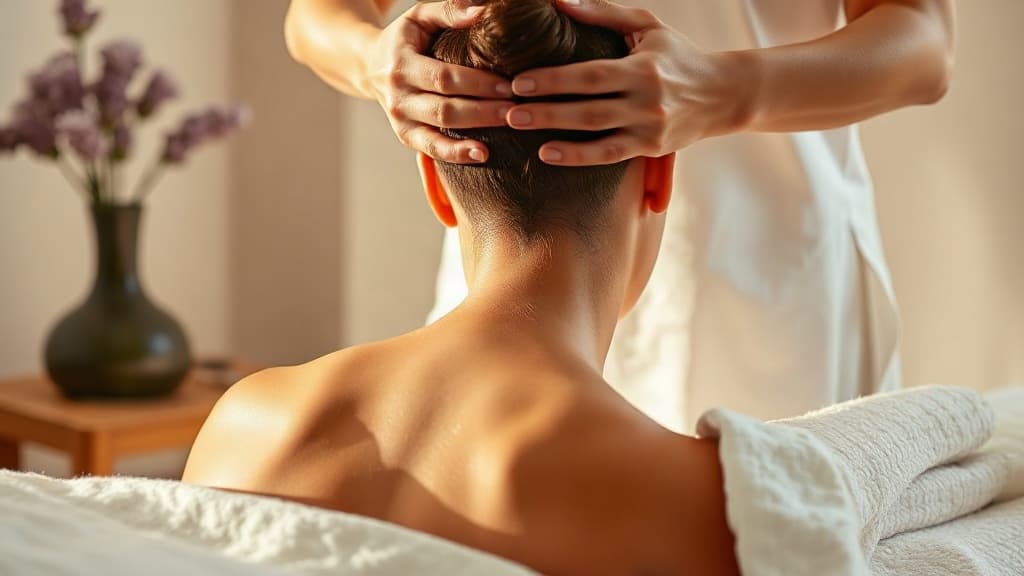
Neck, shoulder, scalp, and jaw work
A session may combine gentle work to the upper back, shoulders, base of the skull, scalp, and chewing muscles. Tell the therapist if you clench your jaw, use a night guard, have a temporomandibular disorder, or have had dental or cervical procedures. Intraoral work requires specific training and consent and is not part of every LMT's scope or practice.
Pressure, scent, lighting, and position matter
Migraine can make normal sensory input feel overwhelming. A technically appropriate massage can still be a poor experience if the environment triggers symptoms.
Before the session, ask for:
- Fragrance-free oil or lotion
- No essential-oil diffuser
- Dim lighting and minimal screen exposure
- Quiet or no music
- A cooler room if heat is a trigger
- Side-lying or semi-reclined positioning if face-down pressure is uncomfortable
- Permission to end early without debate
If you use ice, heat, or a specific pillow setup at home, discuss whether a similar position can be supported on the table. A therapist should never apply vigorous neck movement or sudden manipulation as part of a massage session.
A practical first-session plan
For a first visit, a 30- or 60-minute appointment is usually enough to evaluate tolerance. Give the therapist a short headache history before you arrive if possible:
- Whether a clinician has diagnosed migraine or another headache disorder
- Your usual symptoms and triggers
- Whether you are currently in an attack
- Aura, numbness, weakness, dizziness, fainting, or visual changes
- Neck injury, concussion, surgery, blood-pressure concerns, or pregnancy
- Medications that affect bleeding, alertness, or sensation
Agree on a pressure scale and a stop signal. Start with broad shoulder and upper-back work before focused pressure near the neck or skull. If any technique increases throbbing, nausea, dizziness, visual disturbance, numbness, or radiating arm symptoms, stop.
After the session, record what happened for the next 24 hours. Note headache intensity, medication use, sleep, neck mobility, and any delayed flare. One relaxed hour does not establish a preventive effect, but a simple diary can help you and your clinician spot a useful or unhelpful pattern.
How often should you get massage for headaches?
There is no standard schedule. Some small studies used weekly or twice-weekly sessions for several weeks, but that does not make the same frequency right for every person.
Begin with one session, then assess the result. If massage clearly helps muscle tension or relaxation without triggering an attack, a short trial of sessions may be reasonable. Our guide to how often you should get a massage explains how goals, response, and budget should drive frequency.
Stop or change course when massage repeatedly triggers symptoms, provides no meaningful benefit, or becomes a substitute for appropriate migraine care.
When a headache needs medical attention
Massage is not the first stop for a new, severe, or unusual headache. Seek emergency assessment for a sudden “worst headache,” headache after significant injury, or headache with weakness, trouble speaking, fainting, confusion, seizure, stiff neck with fever, or new loss of vision.
Contact a clinician promptly for:
- A major change in your usual headache pattern
- New aura-like symptoms or neurological symptoms
- Headaches that steadily worsen or wake you from sleep
- New headache during pregnancy or postpartum
- New headache after age 50
- Headache with cancer, immune suppression, or a recent infection
- Increasing medication use or frequent headache days
The American Migraine Foundation advises immediate medical attention for weakness with headache and evaluation when first-time visual disturbance, numbness, or weakness occurs. When in doubt, pause massage and get assessed.
How to choose a Florida LMT
Choose a therapist who listens carefully, works within scope, and is willing to keep the environment fragrance-free and low stimulation. Confirm the person's active credential using our Florida massage-license verification guide.
Useful questions include:
- Are you comfortable adapting sessions for migraine-related sensory sensitivity?
- Can the appointment be fragrance-free and quiet?
- What training do you have in neck, scalp, or jaw work?
- How do you respond if a client develops aura, dizziness, or nausea?
- Will you coordinate with the limits provided by my clinician or physical therapist?
Browse licensed Florida massage therapists and contact a practitioner directly to discuss the setting and approach before booking.
Frequently asked questions
Can massage stop a migraine attack?
There is no reliable evidence that massage stops an attack. Some people find gentle touch relaxing, while others cannot tolerate touch or sensory input during migraine. Use your clinician-approved acute treatment plan.
What type of massage is best for migraine?
No modality is proven best. Gentle Swedish massage is a sensible starting point for relaxation. Focused trigger-point, scalp, jaw, or neck work may suit specific muscular tension when performed conservatively.
Can neck massage trigger a headache?
Yes. Excessive pressure, uncomfortable positioning, fragrance, heat, or vigorous neck movement can aggravate symptoms. Tell the therapist immediately if throbbing, nausea, dizziness, aura, or radiating symptoms begin.
Should I get a massage during aura?
Do not use massage to delay medical assessment of a first or unusual aura. If aura is part of an established diagnosis, follow your clinician's plan and book only when touch and travel are safe and tolerable.
Does scalp massage help tension headaches?
It may feel soothing and reduce perceived muscle tension for some people, but research is not strong enough to promise that it will shorten or prevent headaches.
Are essential oils helpful for migraine massage?
Fragrance is a trigger for many people with migraine. Do not assume aromatherapy will help. Request unscented products unless you already know a specific scent is safe for you.
Can massage replace migraine medication or a neurologist?
No. Massage is complementary care. Do not stop prescribed medication or delay evaluation based on advice from a massage therapist.
Sources
Encuentre terapeutas con licencia cerca de usted
Explore terapeutas verificados en 19 ciudades de Florida. Contacto directo, sin tarifas de reserva.