Sports Massage Benefits: Before Training, After a Race, and During Recovery
Sports massage may modestly improve flexibility and post-exercise soreness, but not speed or strength. Learn timing, techniques, safety and booking tips.
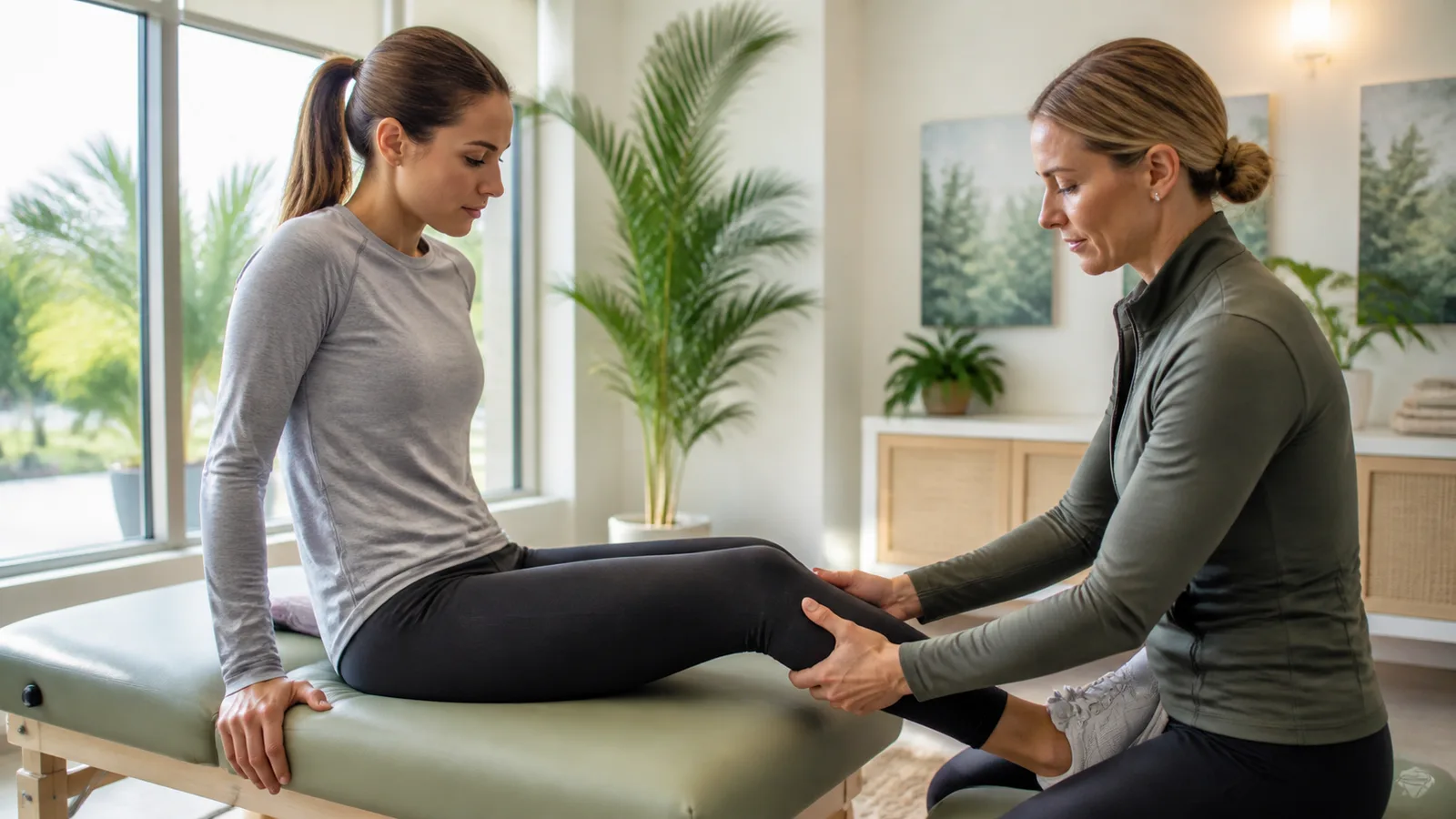
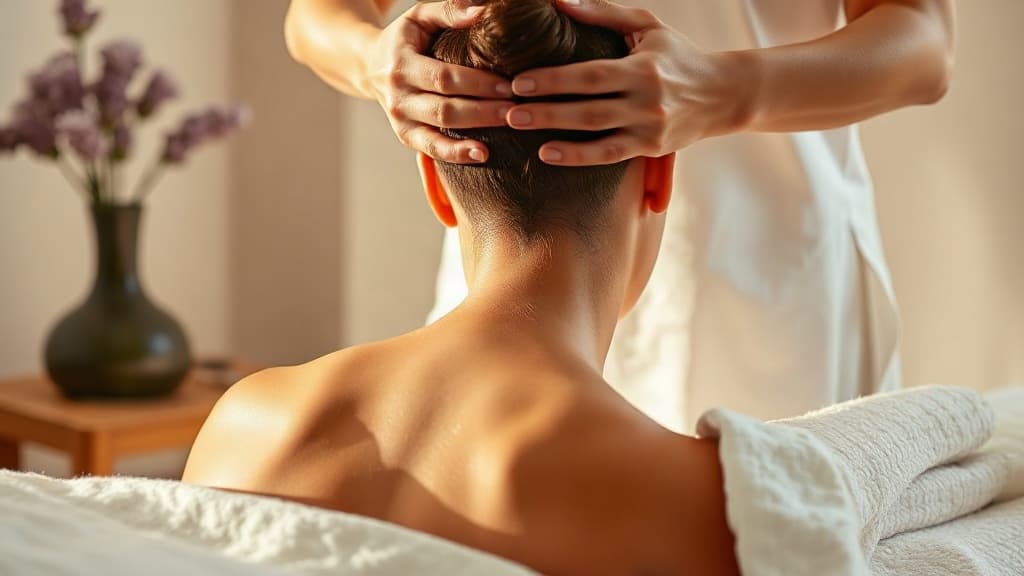
Sports massage may provide small improvements in flexibility and delayed-onset muscle soreness, while helping some athletes feel more relaxed or recovered. Strong research does not show that massage directly improves sprinting, strength, jumping, or endurance. Timing and pressure matter: pre-event work should be brief and stimulating, while recovery work can be slower and broader.
What makes sports massage different?
Sports massage is organized around an activity and a goal rather than a single fixed technique. The therapist considers the sport, training phase, recent workload, injury history, and time until the next event. A runner's pre-race session will look different from a weightlifter's recovery appointment or a tennis player's in-season maintenance work.
A session may combine broad Swedish strokes, compression, targeted deep tissue, gentle joint movement, stretching, or focused work around overused muscles. Sports massage does not need to be painful to be specific.
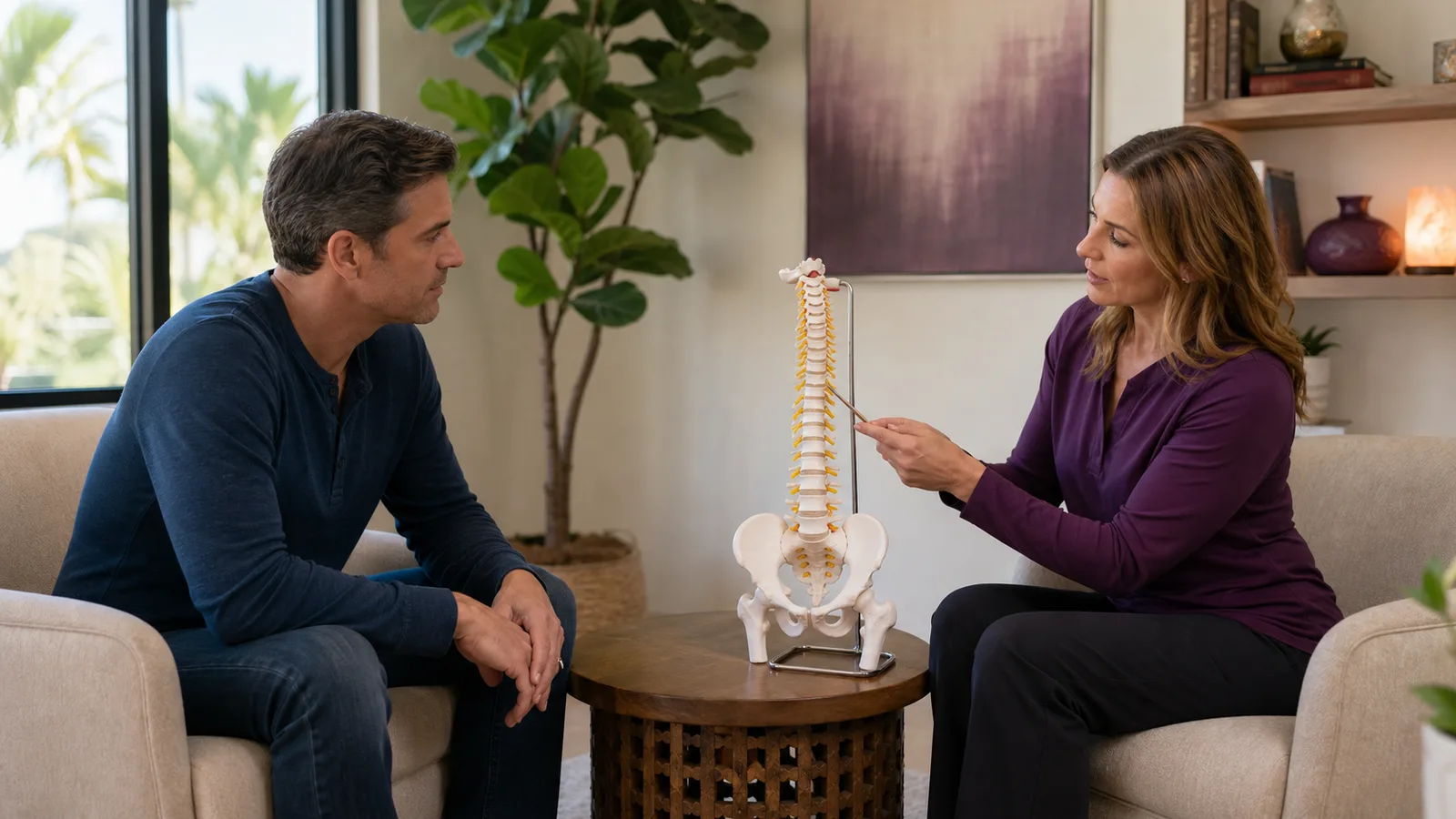
It is also not physical therapy or sports medicine. A massage therapist can work with soft tissue and refer out when needed, but cannot diagnose a torn tendon, stress fracture, concussion, or neurological injury.
What does the research say?
A 2020 systematic review and meta-analysis in BMJ Open Sport & Exercise Medicine analyzed 29 studies with 1,012 participants. It found no evidence that massage improved strength, jumping, sprinting, endurance, or fatigue. It did find small statistically significant improvements in flexibility and delayed-onset muscle soreness.
A broader 2023 systematic review of 114 studies reached a similar conclusion: massage generally did not improve motor performance other than flexibility, but could support perceived recovery, soreness, relaxation, and mood.
That makes the practical case for sports massage narrower and more credible. Book it to manage how recovery feels, address muscular tension, or support comfortable movement — not to add guaranteed seconds, watts, or pounds to performance.
The most realistic sports massage benefits
Short-term flexibility
Massage may modestly improve range of motion without the performance drop sometimes associated with long, intense static stretching immediately before activity. The effect is usually short term. It should support a warm-up, not replace sport-specific movement.
Less perceived soreness
Post-exercise massage may reduce delayed-onset muscle soreness, or DOMS, by a small amount. That can make the day after hard training feel more manageable. Feeling less sore does not necessarily mean tissue has recovered faster, so keep the next training load appropriate.
Relaxation and recovery perception
Athletes often value the quiet, reduced muscle guarding, and sense of recovery after massage. Those subjective outcomes matter when they support sleep, consistency, and stress management, even if laboratory performance measures do not change.
Attention to sport-specific tension
A focused appointment creates time to notice persistent calf tightness, hip restriction, shoulder fatigue, or asymmetry. The therapist can work conservatively and recommend clinical evaluation when a pattern looks more like injury than normal training tension.
A structured recovery routine
For some athletes, a scheduled session helps protect recovery time in a busy plan. Massage works best alongside sleep, nutrition, hydration, sensible load management, and rehabilitation when needed.
Before training or competition
Pre-event massage is usually brief, light-to-moderate, and active. The objective is to help the athlete feel warm and ready without creating tenderness or excessive relaxation.
A typical pre-event approach may include:
- Broad compression through clothing
- Brisk strokes to major working muscles
- Gentle mobility within a comfortable range
- Short attention to a familiar tight area
- No attempt to remodel chronic tissue in one session
Avoid a first-ever deep sports massage immediately before a race, match, or heavy training day. You do not yet know how your body responds. Longer or forceful work can leave temporary soreness or change how a familiar movement feels.
If the event is within 24 hours, tell the therapist. A pre-event session should not resemble an aggressive deep tissue massage.
After a race or hard workout
Immediately after intense exercise, the athlete may be hot, dehydrated, depleted, or cramping. Rehydrate, cool down, replace energy, and address medical concerns first. Massage is optional.
Post-event work is generally broad and comfortable. It should not involve forceful pressure into newly damaged or highly inflamed tissue. After a marathon or long Florida summer event, shorter work to the calves, quadriceps, hamstrings, hips, or shoulders may be more appropriate than a full deep-tissue session.
Wait and seek assessment when pain is sharp, localized, associated with swelling or bruising, changes your gait, or appeared suddenly during activity. Massage cannot rule out a strain, tear, fracture, or blood clot.
Twenty-four to seventy-two hours into recovery
This is when DOMS often becomes most noticeable. A moderate recovery session may feel useful if soreness is symmetrical and consistent with the training performed.
The therapist can use broad work first, then add targeted pressure only where it feels appropriate. The goal is comfortable movement and reduced guarding, not proving that sore muscles can tolerate maximum pressure.
Tell the therapist what your next session or competition involves. Deep work on the quadriceps may be a poor choice the day before speed intervals, even if your calendar calls it a “recovery day.”
During a training block
Maintenance sports massage is scheduled around repeated load rather than a single event. It may focus on the tissues most stressed by the sport:
- Calves, feet, hamstrings, and hips for running
- Quadriceps, glutes, back, and forearms for cycling
- Shoulders, chest, upper back, and lats for swimming
- Forearms, shoulders, hips, and trunk for racquet sports
- Hips, back, shoulders, and grip muscles for strength training
Sessions should adapt as training changes. Taper-week work is different from mid-block recovery. Share your schedule so the therapist does not apply intense work immediately before a key workout.
How sports, deep tissue, and cupping differ
Sports massage is goal-based and timed around activity. Deep tissue describes a slower, more focused pressure style. A sports session may include deep work, but not every sports session should be deep.
For a focal tender spot, compare trigger point massage with deep tissue before assuming the hardest pressure is the best tool.
Cupping therapy uses suction rather than compression and can leave circular marks. Some athletes enjoy it, but visible marks are not proof that toxins left the body or that recovery accelerated. Read our evidence and safety guide to cupping before adding it close to an event.
Choose the tool based on the goal and timing:
- Hours before an event: brief, light, familiar sports massage
- Immediately after: gentle recovery work if medically stable and comfortable
- One to three days after: moderate massage for ordinary soreness and tension
- Between events: targeted maintenance work with enough recovery time afterward
- Persistent or focal pain: clinical assessment before deeper bodywork
How often should athletes get a massage?
Frequency should follow training load, response, and budget. There is no universal weekly requirement.
A recreational athlete might book after an unusually hard event or once every few weeks during a demanding block. A competitive athlete with dense training may use shorter sessions more often, coordinated with a coach, athletic trainer, or physical therapist.
Start with one appointment and track a few outcomes: soreness the next day, sleep, range of motion, training quality, and whether any area flared. Our broader guide to massage frequency can help you set a practical schedule.
If massage repeatedly leaves you too sore to train, reduce pressure, change timing, or stop. Recovery work should serve the program rather than become another stressor.
Who should be cautious?
Tell the therapist about medications, recent procedures, significant bruising, loss of sensation, pregnancy, osteoporosis, cancer care, cardiovascular conditions, and any history of blood clots. Vigorous massage is not appropriate over an acute injury, infection, open wound, unstable fracture, or suspected clot.
Seek medical care rather than massage for:
- Sudden severe pain or a popping sensation
- Inability to bear weight or use a limb normally
- Marked swelling, deformity, or rapidly expanding bruising
- A hot, red, swollen calf or unexplained shortness of breath
- Numbness, weakness, or loss of coordination
- Head injury symptoms such as confusion, vomiting, or worsening headache
- Dark urine, severe weakness, or extreme pain after unusually hard exercise
The NCCIH massage safety guidance notes that serious adverse events are rare but have occurred, particularly with vigorous massage or in people at increased risk of injury.
How to choose a sports massage therapist in Florida
An active Florida license is the baseline. Then ask about relevant experience: runners, triathletes, lifters, dancers, golfers, or the sport you play. “Sports massage” on a menu does not reveal the therapist's actual training.
Ask these questions before booking:
- How would you change a session the day before a competition?
- What information do you need about my training week?
- How do you distinguish normal soreness from something that needs referral?
- Can you work within guidance from my physical therapist or athletic trainer?
- What pressure and recovery time do you recommend for a first session?
Browse sports massage therapists across Florida, including practitioners in Jacksonville and Orlando, and contact them directly about your sport and schedule.
Frequently asked questions
Does sports massage improve athletic performance?
Research does not show a direct improvement in strength, sprinting, jumping, endurance, or fatigue. Small benefits for flexibility, soreness, and perceived recovery are more plausible.
Is massage good before a workout?
A short, light, familiar session may fit before activity. Avoid long, deep, or first-time techniques close to an important workout because they can cause tenderness or alter how movement feels.
How soon after a workout can I get a massage?
Once you have cooled down, rehydrated, and ruled out injury, gentle work may be comfortable. Deeper work often fits better after the immediate post-exercise period.
Should sports massage hurt?
No. Focused pressure can feel intense, but sharp, burning, electrical, or escalating pain is not a productive target. More pain does not mean more recovery.
Can massage remove lactic acid?
That is not a good reason to book. Lactate is processed naturally and is not what causes next-day DOMS. Massage may change soreness perception without “flushing toxins.”
Can I train the same day as a sports massage?
Often, after a light pre-event session. After deep or prolonged work, an easy session or rest may be more comfortable. Plan the massage around the training goal.
Is sports massage useful for an injury?
It may support a clinician-directed rehabilitation plan, but an unexplained acute injury should be assessed before massage. LMTs do not diagnose tears, fractures, or neurological injuries.
Sources
Encuentre terapeutas con licencia cerca de usted
Explore terapeutas verificados en 19 ciudades de Florida. Contacto directo, sin tarifas de reserva.