The Best Massage for Lower Back Pain: What Actually Helps
Which massage works best for lower back pain? How deep tissue, trigger point, and Swedish compare, how often to go, and when to see a doctor first.

For most lower back pain caused by muscle tension and tightness, deep tissue massage and trigger point therapy give the best results, because they work directly into the deep muscles and knots that refer pain across the lower back. Swedish massage helps when the pain is stress-related or you need gentler work. Massage is genuinely effective for the common muscular causes of back pain — the American College of Physicians lists it among recommended treatments — but it is not the right first step for pain caused by a disc, nerve, or injury, which needs a medical assessment first.
Here is how to match the technique to your pain and get real relief.
Which massage type works best?
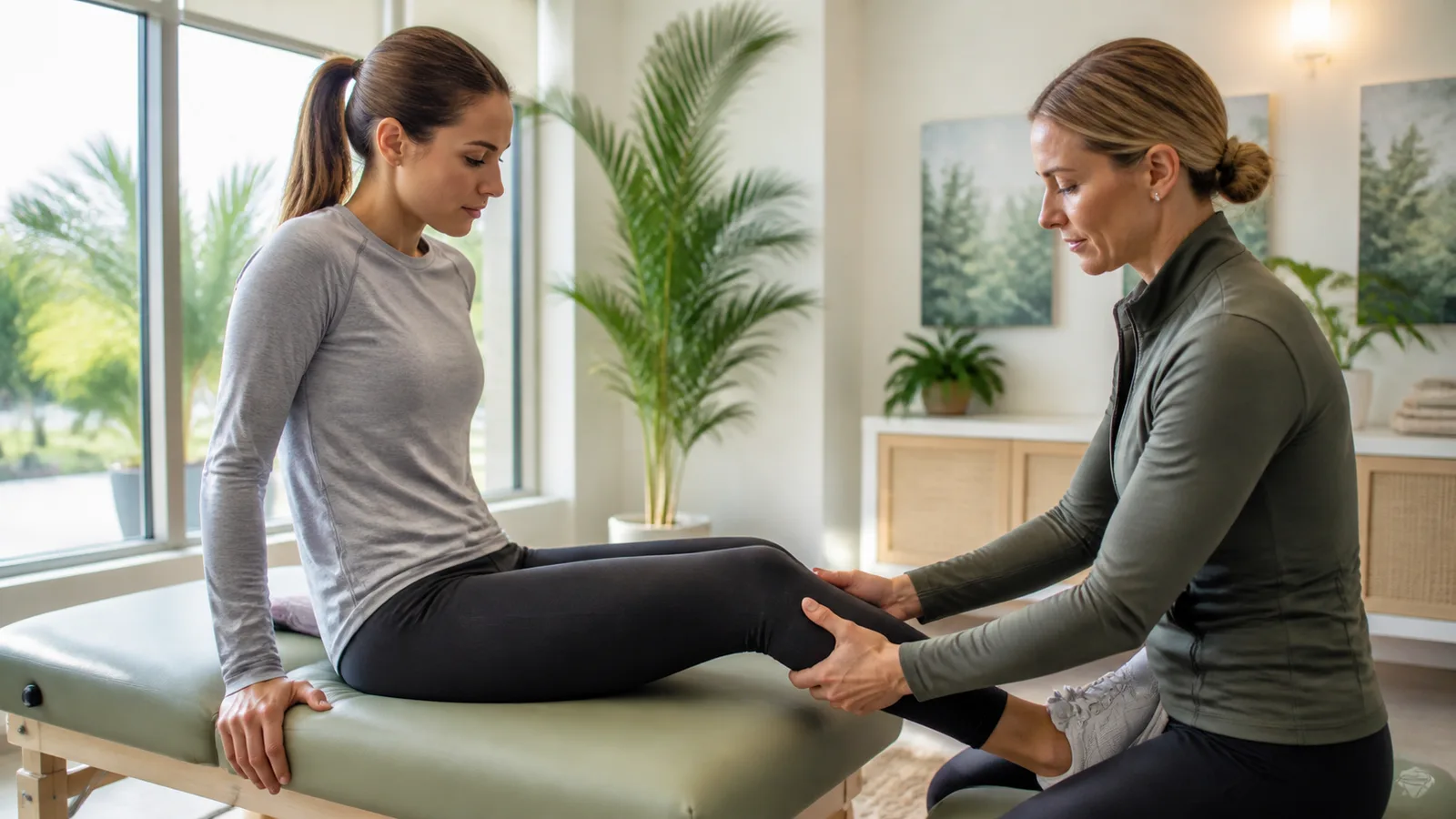
Deep tissue massage is the usual top choice for lower back pain. It uses slow, firm pressure to reach the deep layers of muscle and fascia where chronic tension lives. For the tight, achy lower back that comes from sitting, lifting, or standing all day, this is typically the most effective option. More on deep tissue massage.
Trigger point therapy targets specific knots that refer pain elsewhere. A trigger point in the glutes or hips can send pain straight into the lower back, and releasing it often relieves pain that stretching never touched.
Sports massage combines deep work with movement and stretching, which suits active people whose back pain comes from training or repetitive motion. More on sports massage.
Swedish massage uses lighter pressure. It is the better starting point if your back pain is tied to stress and overall tension, or if firm pressure is too much for you right now. More on Swedish massage.
What causes the pain changes the plan
Massage helps most when the pain is muscular. It is the wrong first move for some causes:
- Muscle tension, tightness, overuse, poor posture: Massage is well suited and often very effective.
- Sciatica from muscle compression (such as a tight piriformis): Massage to the glutes and hips can ease nerve compression — but get the cause confirmed first.
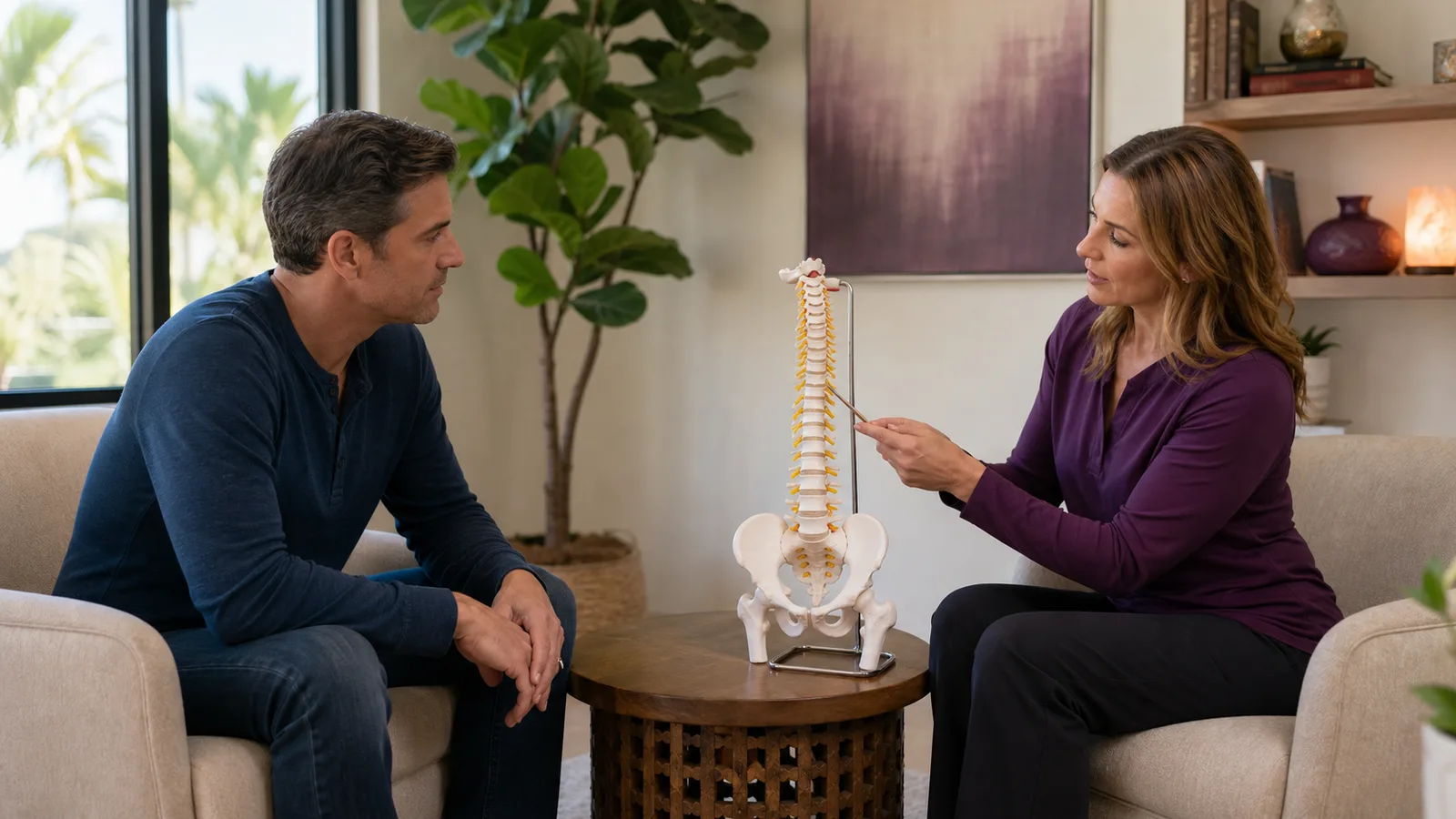
- Disc problems, a recent injury, numbness, weakness, or pain shooting down the leg: See a doctor or physical therapist before booking. Massage may still play a role later, but only as part of a guided plan.
Any pain with fever, loss of bladder or bowel control, or significant leg weakness is a reason to seek medical care right away, not a massage.
How often should you go?
For active lower back pain, a front-loaded schedule works best: weekly sessions for four to six weeks to make real progress, then taper to every two or three weeks for maintenance once the pain settles. Chronic tension rarely resolves in a single session, and closely spaced appointments let each one build on the last. Our massage frequency guide covers this by goal.
Make each session more effective
- Be specific at intake. "Tight band across my lower back, worse after sitting" tells the therapist far more than "my back hurts."
- Speak up on pressure. Effective deep tissue is firm but should not make you clench or hold your breath. Too much pressure is counterproductive.
- Hydrate and move gently afterward. Mild soreness for a day or two after deep work is normal.
- Pair it with the basics. Massage works best alongside movement, stretching, and the posture or ergonomic fixes that address why the pain started.
What it costs in Florida
A 60-minute deep tissue session in Florida generally runs $80 to $150 depending on the city — usually $10 to $20 above the Swedish rate because the work is slower and more targeted. Many therapists offer package pricing for the multi-session plans that back pain often calls for.
Finding the right therapist
For back pain, look for a therapist who lists deep tissue, trigger point, or sports massage among their specialties rather than relaxation alone. On Florida Massage Elite, every therapist is licensed and identity-verified, and the modality tags on each profile tell you what they actually focus on. Message them directly, describe your pain and anything your doctor has said, and a clinical-focused therapist will tell you whether they can help before you book.
Get serious pain assessed first, match the technique to the cause, and go consistently — that combination is what turns massage from a temporary fix into real relief.
More like this — every week
Florida-specific massage tips, therapist recommendations, and self-care guides.
Find Licensed Massage Therapists Near You
Browse verified therapists across 20 Florida cities. Contact directly, no booking fees.