Cupping Therapy Benefits: What It Helps, What to Expect, and the Marks
What cupping therapy actually helps with, what the marks mean, whether it hurts, and how to find a licensed massage therapist who offers it in Florida.
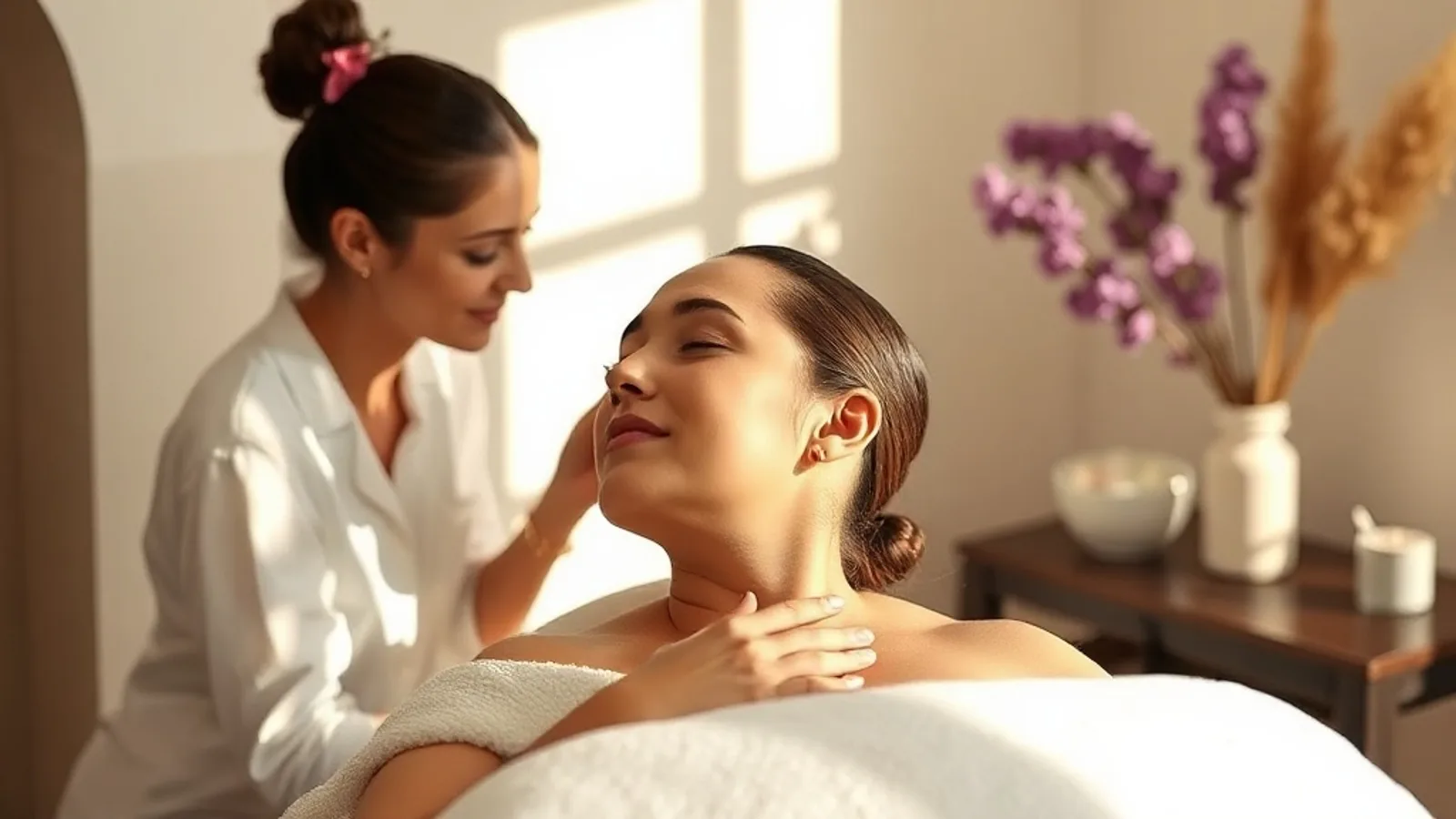
Cupping therapy uses suction cups placed on the skin to lift the tissue, increase local blood flow, and release tight muscle and fascia. People use it most for muscle tension, back and shoulder pain, and recovery after exercise, and many find it reaches stubborn tightness that hands-on pressure alone does not. The round marks it can leave are not bruises in the usual sense and typically fade within a few days to a week. It is best thought of as a useful complement to massage rather than a cure-all.
Here is what cupping actually helps with, what the experience is like, and how to find a qualified provider.
What is cupping therapy?
A therapist applies cups — glass, silicone, or plastic — to the skin and creates suction, either with heat or a small pump. The suction pulls the skin and surface muscle slightly upward, the opposite of the downward pressure of a normal massage. Two main styles:
- Static (dry) cupping: Cups stay in place for several minutes over a tight area.
- Moving cupping: Oil is applied and the therapist glides the cups across the muscle, which feels like a deep, broad massage stroke.
Many Florida therapists fold cupping into a deep tissue session rather than offering it on its own.
What does cupping help with?
The most commonly reported benefits:
- Muscle tension and tightness: The suction decompresses tight tissue and can release knots that resist direct pressure.
- Back, neck, and shoulder pain: Among the most popular uses, especially for desk-related tension.
- Athletic recovery: Many active people use cupping to loosen overworked muscles and ease post-training soreness.
- Range of motion: By loosening fascia and muscle, cupping can make an area feel less restricted.
- Relaxation: Like massage, it can down-shift the nervous system and ease stress.
The strongest evidence is for short-term relief of muscular neck and back pain. Treat broader health claims with healthy skepticism, and see cupping as one tool among several.
Do the marks mean it is working?
The circular marks are the most talked-about part of cupping. A few facts:
- They come from suction drawing blood toward the surface, not from impact, so they are not bruises in the usual sense and are usually not painful.
- Color varies person to person and day to day. It is not a reliable scoreboard for how "bad" your tension is, despite the common claim.
- They typically fade within three to seven days.
If you have an event with bare shoulders or back coming up, mention it so your therapist can place the cups where marks will not show.
Does it hurt?
For most people, no. Static cupping feels like a firm, steady pull, and moving cupping feels like a deep massage stroke. You should feel pressure and tension release, not sharp pain. As with any bodywork, tell your therapist if anything feels too intense and they will reduce the suction.
Who should be cautious?
Cupping is not for everyone. Skip it or get medical clearance first if you:
- Are pregnant (work only with a therapist trained in prenatal care)
- Take blood thinners or have a bleeding disorder
- Have fragile skin, eczema, or open wounds in the area
- Have a history of blood clots
The cups are never placed over broken skin, varicose veins, or recent injuries.
What it costs in Florida
Cupping is often offered as a $15 to $30 add-on to a massage session, or built into a 60- to 90-minute therapeutic session priced like deep tissue — roughly $80 to $150 depending on the city. See our Florida massage cost guide for full ranges.
Finding a qualified provider
Cupping should be performed by a trained, licensed professional — in Florida, that means an active state massage license. On Florida Massage Elite, every therapist is licensed and identity-verified, and the modality tags on each profile show who offers cupping therapy. Message a therapist directly, describe the tension or pain you want to address, and ask how they typically combine cupping with hands-on work.
Used as part of a good massage practice, cupping is a simple, low-risk way to get at tightness that is otherwise hard to reach — marks and all.
More like this — every week
Florida-specific massage tips, therapist recommendations, and self-care guides.
Find Licensed Massage Therapists Near You
Browse verified therapists across 20 Florida cities. Contact directly, no booking fees.